Survivors of clergy sexual abuse attend healing service
pexels-shvetsa-3943933 copy
April is Sexual Abuse Awareness Month
Inspirational readings, reflections and melodious Catholic hymns were spoken and sung at the April 9 Healing Service for Survivors of Clergy Sexual Abuse in Le Moyne College’s Panasci Chapel. Seated in the pews were individuals on their personal paths to healing —some possibly taking their first steps, others continuing their journey. The hourlong service offered a gentle invitation to move forward, together, in hope and restoration.
“For any community to heal, all of us must participate,” stated event organizer Matthew FitzGibbons in a press release. “I am a survivor of clergy sexual abuse and know firsthand the pain and isolation it can bring. This service is about coming together to acknowledge our shared wounds and take a step forward in healing.”
FitzGibbons is also a member of Hope, Healing & Solidarity, which offered the evening’s service. The group was formed in 2023 by local Catholics to support victim-survivors.
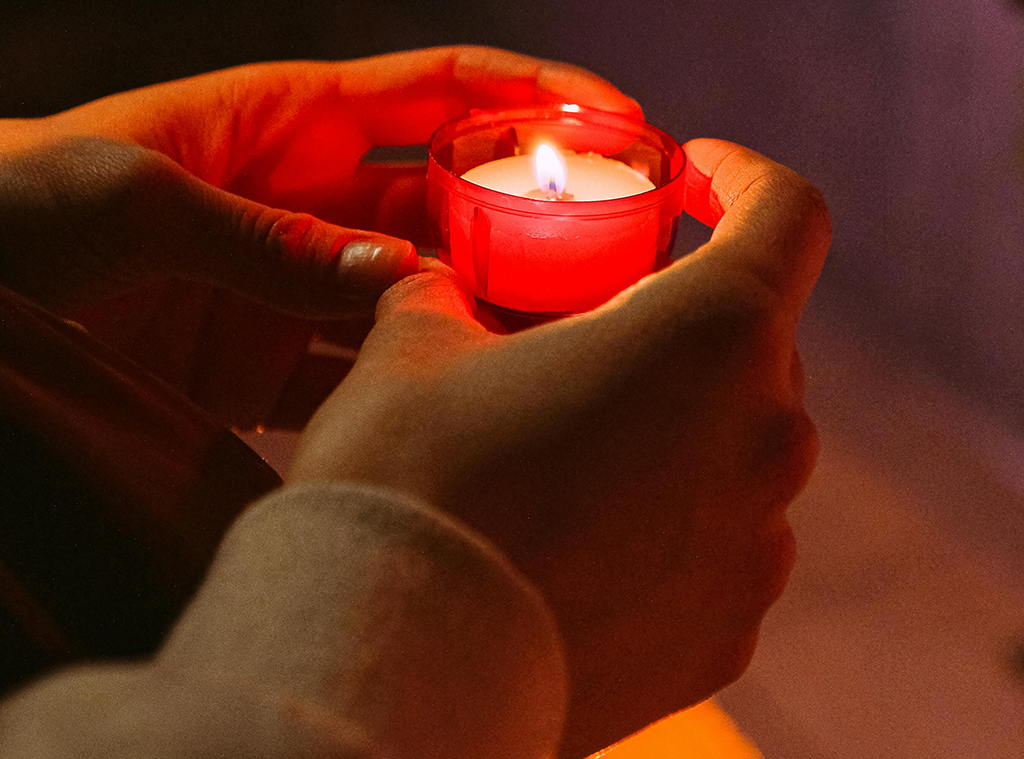
Each person was given a small rock to squeeze, to release any negative energy preventing them from moving forward. That rock was then released into water and replaced with a lighted candle to hold.
“The rituals are intended to help us get beyond our heads and move into our hearts,” said retired diocesan priest Reverend John Rose, who participated in the service.
The stone, he explained, represents pain and darkness. He went on to reference American Franciscan priest Richard Rohr, OFM, who said that unless we transform our pain, we will inevitably transmit it. The water symbolizes transformation.
“Water is healing, renewing, and purifying,” he added.
Accepting a lighted candle signifies hope: “God always wants to move us from darkness to light and to be ambassadors of Christ’s light, hope and reconciliation,” Fr. Rose said.
Survivor Michael Koplinka-Loehr added that having community amplifies the light and support available even in our darkest hours. In his reflection, he emphasized that to break society’s typical responses to sexual abuse — stigma, shame, silence, and secrecy — we need to build community, accompany one another, and allow ourselves to feel.
“Of course, all humans feel, all of the time. Yet, we are constantly overriding our feelings, denying them or suppressing them to cope, survive and get through,” he said.
To stay numb, however, is to stay stuck. It takes effort, he said, to slow down, notice and identify what’s going on inside you: “To feel is to heal.”
At the end of the service, Bishop Douglas J. Lucia offered a heartfelt response to the suffering survivors have endured — and continue to endure.
“I stand before you tonight as bishop, as one who is a representative of the Church. The sorrow I feel over the violations done can be all-consuming. It can be at a point where I want to throw that stone at someone,” he said, referencing the ritual each person, including him, took part in. “Yet, as we heard Sunday, that’s not what we’re supposed to do,” referring to that Sunday’s Gospel reading, John 8:1-11, “Let him who is without sin cast the first stone.”
He went on to say that for him, the beauty of the reflections lay in the powerful reminder that we do it together — we help one another to carry the anger and the pain.
“For any harm the church has caused, I am truly sorry. But sorrow is only a word unless we’re willing to accompany, unless we’re willing not just to say the word ‘sorry,’ but to live the word. And I’m hoping that’s what we can do together.”
For more information about Hope, Healing & Solidarity, visit hopehealingandsolidarity.org or contact Dale Avers at [email protected].