Pro-Vita Award-winning essays capture full spectrum of pro-life movement

pexels-suzyhazelwood-1995842
Last month, Dr. Amy Sansone, superintendent of Catholic Schools, announced the winners of this year’s Bishop Moynihan Pro-Vita Awards: Matthias Patyi, of Bishop Grimes; Thomas D’Onofrio, of Seton Catholic Central; and Teaghan Barker, a student at Notre Dame. The awards honor the legacy of the late Bishop James M. Moynihan, a leader in the pro-life movement. Combined, the students’ awards totaled $2,500.
To be considered for an award, high school seniors from any school within the diocese were invited to submit an essay answering two questions: “Why are you pro-life?” and “How will you help build a culture of life?”
The Office of Family/Respect Life received just under 20 submissions, with many successfully capturing the entire spectrum of the pro-life cause — from abortion issues to end-of-life care — including assisted suicide, said Charles O’Malley, Respect Life program coordinator. Only three, however, could be chosen. Read them here:
 Thomas D’Onofrio
In today’s world, many people, especially in modern America, are pro-choice and would fight to the death over this stance. However, it seems increasingly rare to find people who are pro-life, even in the Catholic Church! It seems harder to find people who actively promote pro-life values by their life, actions, and words. I want to fix this stance by showing why life is so precious.
I grew up in the Catholic Church, altar serving and regularly participating in Mass. Up until ninth grade, I went through the motions of the faith, but everything changed when I attended my first Steubenville Youth Conference. During Adoration, I experienced the presence of God in a profound way that I never felt before. This showed me why following God is not just a process but it’s a way of life. From this point on, I started to deepen my understanding of God and the crossovers between political and theological stances.
One in particular includes the sanctity of life. I came to fully recognize that life begins at conception and should end with natural death. Being a pro-life Catholic is helping new mothers, the poor, and people in need across the world. However, the most publicized part of being pro-life is abortion. Abortion is wrong, cruel, and ultimately killing an innocent life. It’s crazy to think that there are even doctors who specialize in this field. Innocent babies are being wrongfully killed for various reasons, whether that is because of rape or the parents don’t want the baby. Yet, everyone is made in the image and likeness of God. Even though the baby’s biological parents do not see this, as pro-life Catholics, we fight to the end to love these children unconditionally.
As I grew in faith, I continued to deepen my understanding of God and Church laws. This came to a point where the summer before my senior year, God gave me the idea of starting a theology club at Seton Catholic Central. I named this club God Squad. The aim for this club is to invite and welcome people who are new and existing to the faith. There are three pillars I designed for this club, which include preparation for Mass, hosting Chapel events, and, in particular, supporting pro-life movements.
The pro-life branch focuses on raising money for Birthright, hosting a trip to go to the March for Life, and selling roses to raise money for mothers on Mother’s Day. I believe that through these various actions, people can grow closer to God while also understanding what being pro-life entails. I am not stopping here. I want to continue to grow a movement of dedicated individuals who support pro-life and be involved with people who have a conversion of heart. As I attend Villanova next year, I plan to join the Villanovans for Life to further enhance my support and my actions to help benefit not just unborn souls, but people across the world who need fighters.
Matthias Patyi
 Pro-life advocacy extends far beyond opposing abortion. It encompasses protecting vulnerable groups, such as the disabled and the elderly, who cannot speak up for themselves. My dedication to the pro-life cause has primarily been focused on the right to life and the quality and the sanctity of life of the elderly, disabled, and marginalized.
At my Catholic school, in 9th grade, I joined a small pro-life club with just three members. Despite facing debates, backlash, and even stigma, particularly from peers in other clubs, we remained steadfast. Through dialogue and empathy, I’ve found ways to successfully bridge the divides, mainly by debunking the presumptions established by the mainstream culture against our cause and the advocates of our cause.
For instance, I encouraged a pro-choice classmate to focus on our shared values, like supporting young mothers. Her visit to St. Joseph’s House opened her to our faith. She told me she had her first confession last week. Another experience involved a friend whose mother almost died after a stage four cancer diagnosis, inspiring him to join the pro-life movement and recognize the universal value of life. We disagreed in our discussions about abortion, but we found common ground in our love for our grandparents and supporting our newborn brothers and sisters. As a leader of our right to life club, I helped to grow our club rapidly and made a strong impact in our community while promoting pro-life culture.
Pro-life advocacy, to me, means addressing elder neglect and ensuring dignity in later years. Elder abuse affects one in six people over sixty annually, according to the WHO, though many cases go unreported.
As a recreational assistant at Loretto’s dementia floor, I’ve seen how trained caregivers and compassionate policies prevent harm and protect residents. Expanding caregiver training, enforcing stricter reporting laws, and encouraging intergenerational connections through community involvement are crucial steps toward fostering a pro-life culture.
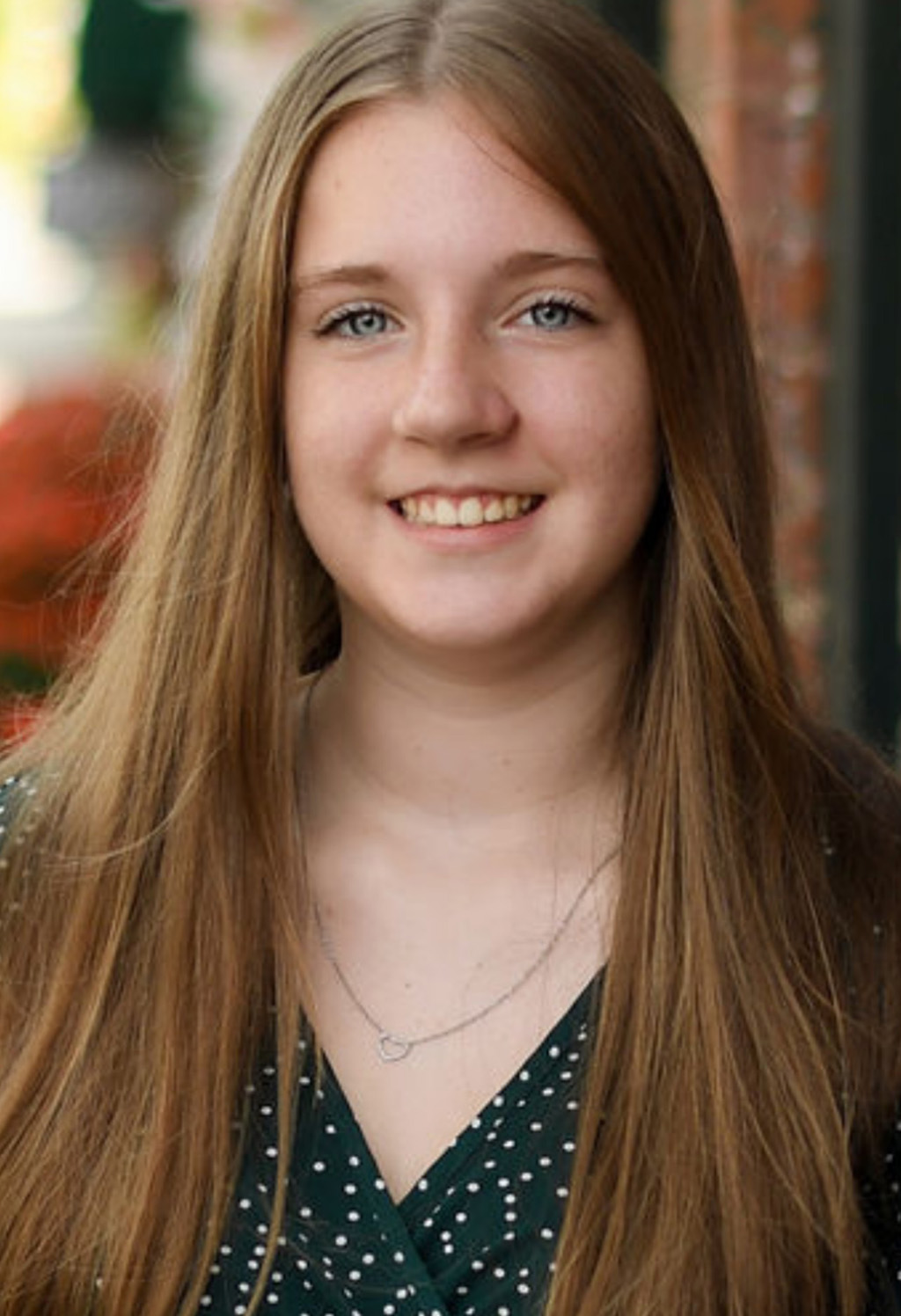 Teaghan Barker
Being pro-life, especially from a Catholic’s point of view, you are brought up in the belief that all human life is sacred and deserving of protection. This is based on the teachings of the Church, which emphasizes the inherent dignity of every person from conception to natural death. As a student in a Catholic school, I am shaped by these values and believe in them, which influence my understanding of life, love, and community. My pro-life stance is based in the belief that every individual, regardless of their circumstances, has the right to exist and thrive. This belief helps me to advocate for those who cannot advocate for themselves, such as unborn children and the elderly. To build a culture of life, I aim to foster awareness and compassion within my school and beyond, encouraging others about the importance of protecting life at all costs.
Education plays a crucial role in this effort. I plan to engage my peers through discussions and presentations that highlight the importance of life. By sharing personal stories and scripture passages that everyone should learn from, we can create a more empathetic understanding of the challenges faced by those in difficult situations. Additionally, I see a future in organizing events that promote good life choices, such as pregnancy resource fairs, where local organizations can provide support to expecting parents. Volunteering is another way I intend to contribute. I will seek opportunities to assist people who are expecting and talk to them about the benefits of bringing life into the world and help in shelters that support women and families in need. By participating in these efforts, I can help provide resources and assistance, reinforcing the message that we are a community that values and supports life.
I also believe in the power of prayer and spiritual reflection. Organizing prayer services and retreats focused on the theme of life can deepen our commitment to this cause. These gatherings not only nurture our faith but also strengthen to advocate for life in practical ways. Building a culture of life also involves engaging in respectful conversations about difficult topics. I am committed to listening to diverse perspectives and sharing the pro-life message with kindness and understanding. This approach helps an environment where people can feel safe to express their thoughts and experiences, ultimately leading to more constructive discussions about life issues. Finally, I will work to promote good ideas that my classmates will take action on. By forming clubs or groups dedicated to pro-life initiatives, we can create a supportive network that encourages advocacy and outreach. Together, we can share our ideas and opinions, making it clear that we stand for life in our community.
In conclusion, my pro-life commitment is a reflection of my Catholic education and values. By focusing on education, volunteering, prayer, and respectful conversations, I strive to help build a culture of life. This effort is not just about opposing abortion; it is about celebrating and affirming the beauty and dignity of every human life, making a community where all feel valued and supported.